
 By Charles Weaver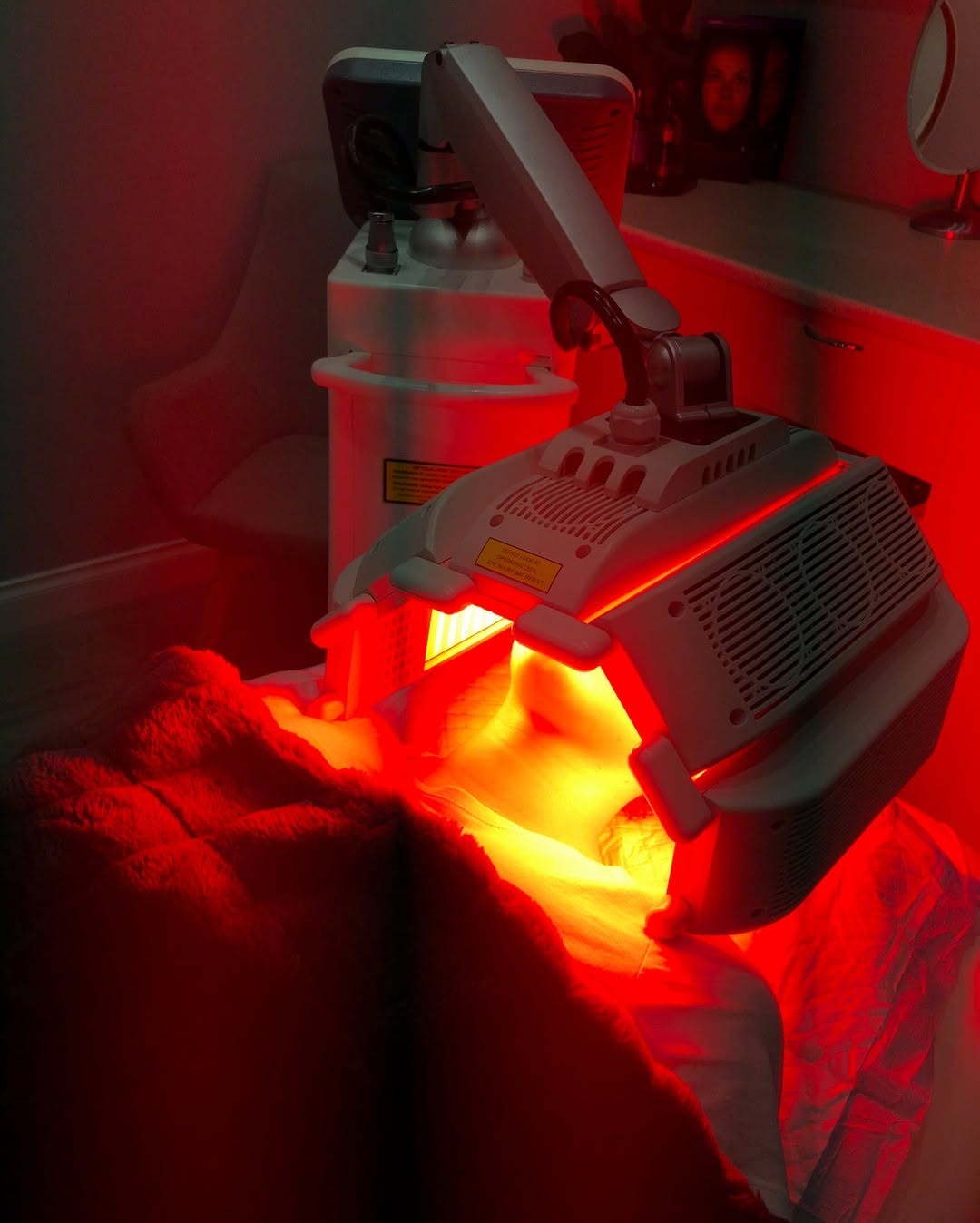
Red light therapy (RLT) is an innovative treatment that has garnered attention for its potential health benefits, ranging from skin rejuvenation to enhanced healing processes. Utilizing specific wavelengths of red and near-infrared light, this non-invasive therapy aims to promote cellular function, ultimately leading to improved tissue repair and a reduction in inflammation. As research continues to expand, red light therapy is being embraced by both medical professionals and wellness enthusiasts alike, fostering interest in its applications across a variety of fields, including dermatology, sports medicine, and physical therapy.
In this article, we will explore the science behind red light therapy, examining how it works at a cellular level and the myriad of potential benefits it offers. From alleviating chronic pain to stimulating collagen production, RLT presents a versatile option for those seeking alternative or complementary therapies. We will also discuss safety considerations, application methods, and the current state of research, providing readers with a comprehensive overview of this promising treatment modality.
Mechanism of Action
Red light therapy operates through a process known as photobiomodulation, where specific wavelengths of light penetrate the skin and stimulate cellular activity. The primary mechanism involves the absorption of photons by mitochondria, the powerhouse of the cell, which leads to the enhanced production of adenosine triphosphate (ATP). This increased ATP production fuels cellular processes integral to healing, regeneration, and anti-inflammatory responses. As a result, conditions like psoriasis, eczema, and even acne scars can see significant improvement following consistent treatment. Additionally, the use of devices such as the Full Body Photobiomodulation Bed can provide comprehensive coverage, ensuring the body receives optimal light exposure for maximum therapeutic benefits.
Potential Benefits
The versatility of red light therapy extends beyond skin health, as it has been linked to pain management, muscle recovery, and improved joint function. Athletes and fitness enthusiasts are increasingly turning to RLT to help alleviate soreness and expedite recovery times, making it a valuable addition to their post-workout regimen. Furthermore, studies have indicated that RLT may boost mood and improve sleep quality by regulating circadian rhythms, showcasing its broad spectrum of positive effects on both physical and mental health. As emerging research continues to validate these benefits, red light therapy is poised to become a staple in both clinical settings and at-home wellness routines.
In conclusion, red light therapy stands out as a potentially transformative approach to health and wellness, supported by a growing body of research that highlights its multifaceted benefits. Its ability to enhance cellular function through photobiomodulation not only aids in the treatment of various skin conditions but also offers promising results in areas such as pain relief, muscle recovery, and even mental well-being. As understanding of this technology deepens, individuals and healthcare practitioners are increasingly recognizing the value of incorporating red light therapy into their health regimens, making it an exciting avenue for those seeking holistic and effective methods to improve their quality of life. With continued advancements and research, the future of red light therapy looks bright, paving the way for wider acceptance and innovative applications in both clinical and everyday settings.