
 By Charles Weaver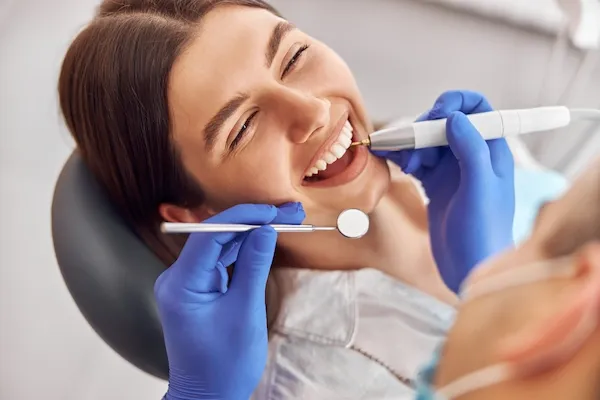
A healthy smile starts with simple habits that become part of your everyday routine. Taking care of your teeth and gums can help prevent common oral health concerns while keeping your mouth comfortable and your smile looking its best. Although many people think about dental care only when they experience discomfort, regular attention throughout the year can make a meaningful difference.
Good oral hygiene includes much more than brushing. Flossing, making thoughtful food choices, drinking water, and attending regular dental appointments all have a place in a complete dental care routine. Professional dental care can also help identify concerns that may not be noticeable at home. By understanding the basics of oral health, individuals can make better choices and take a proactive approach to caring for their teeth.
Daily dental care provides the foundation for healthy teeth and gums. Brushing twice a day with fluoride toothpaste helps remove plaque and food particles from the surfaces of the teeth. Using a soft-bristled toothbrush and gentle movements can help clean effectively without putting unnecessary pressure on the gums.
Flossing is equally important because plaque and food can collect in spaces that toothbrush bristles cannot easily reach. Cleaning between the teeth regularly can help support healthy gums and reduce buildup in these difficult-to-reach areas.
Replacing a toothbrush when its bristles become worn is another simple habit to consider. A consistent routine is more useful than occasional intensive cleaning, so making oral hygiene part of your morning and evening schedule can provide long-term benefits.
Diet can influence the condition of your teeth. Frequently consuming sugary snacks and beverages can increase the risk of tooth decay, especially when proper oral hygiene is neglected. Sugars can interact with bacteria in the mouth and contribute to acids that affect tooth enamel.
Drinking water throughout the day can help keep the mouth hydrated and wash away some food particles. Choosing nutritious foods and limiting frequent sugary snacks can also support overall oral health. Foods containing important nutrients can contribute to maintaining healthy teeth and gums as part of a balanced diet.
It is also helpful to be aware of acidic foods and drinks. Frequent exposure to acids can contribute to enamel erosion over time. Maintaining a balanced diet and practicing good oral hygiene can help reduce unnecessary risks to your smile.
Professional dental visits are an important part of maintaining oral health. Even people who brush and floss consistently can develop problems that are difficult to detect without a professional examination. Routine appointments allow dental professionals to assess the teeth and gums and identify potential concerns at an earlier stage.
Professional cleanings can also remove tartar and other buildup that cannot always be eliminated through regular brushing at home. Depending on an individual’s oral health, a dental professional may recommend an appropriate schedule for examinations and cleanings.
For individuals seeking professional dental care and information about available services, Cumberland Pointe Dental can be a useful resource for exploring dental care options and learning more about maintaining oral health.
Being aware of changes in your teeth and gums can help you respond to potential problems sooner. Symptoms such as tooth sensitivity, persistent bad breath, bleeding gums, swelling, or discomfort when eating may be worth discussing with a dental professional.
Not every symptom indicates a serious dental condition, but persistent or unusual changes should not be ignored. Some oral health problems can develop gradually without causing significant discomfort at first. Regular examinations can help identify concerns that may otherwise go unnoticed.
If you experience recurring dental discomfort or notice a change in your mouth, sharing those details during your dental appointment can help the professional determine whether further evaluation is needed.
Dentistry has continued to evolve with improvements in technology and treatment techniques. Digital X-rays, advanced imaging systems, and other modern tools can provide dental professionals with detailed information when evaluating teeth and surrounding structures.
Modern dental materials and treatment methods have also expanded the options available for addressing different oral health needs. Depending on the situation, treatments may include restorative procedures, preventive services, or cosmetic options designed to improve the appearance of the smile.
Patients can discuss their concerns and treatment goals with a dental professional to better understand which options may be appropriate for their individual circumstances.
Preventive care is one of the most practical approaches to maintaining dental health. Brushing and flossing every day, making sensible dietary choices, and attending regular dental examinations can all contribute to healthier teeth and gums.
Preventive care can be particularly valuable because some dental issues may become more difficult to manage when treatment is delayed. Addressing concerns early can provide an opportunity to understand the problem and discuss suitable treatment options with a dental professional.
Different people may also have different dental needs. Age, lifestyle, previous dental work, diet, and existing oral health conditions can all influence the type of care that may be recommended.
Maintaining a healthy smile requires consistency rather than a single effort. Simple daily habits combined with professional dental care can help protect the teeth and gums over time. Taking a few minutes each day to brush and floss, making thoughtful food choices, and keeping regular dental appointments can become an effective long-term routine.
Dental care is also about more than appearance. Healthy teeth and gums can contribute to everyday comfort and make activities such as eating and speaking easier. Staying informed and addressing oral health concerns when they arise allows individuals to take a more active role in their dental well-being.
By making preventive care a regular part of your lifestyle, you can give your teeth and gums the attention they need while working toward a healthier, more confident smile for years to come.