
 By Charles Weaver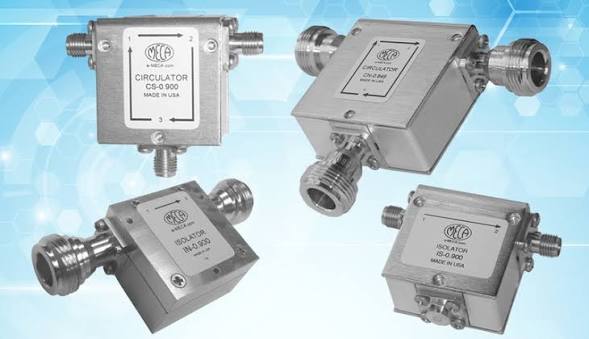
Radio frequency (RF) isolators and circulators are critical components in modern telecommunication systems, ensuring optimal performance and signal integrity in a variety of applications. By controlling the direction of signal flow, these devices aid in protecting sensitive equipment from reflections and potential damage while enhancing overall system efficiency. As wireless communications continue to evolve, understanding the principles and functions of RF isolators and circulators becomes increasingly important for engineers and designers working in fields such as aerospace, automotive, and consumer electronics.
This article delves into the fundamental concepts of RF isolators and circulators, exploring their design, operation, and applications. We will examine how these devices manage signal routing and isolation, thereby facilitating better communication quality and system reliability. Whether you are a seasoned engineer or a novice in the field, gaining insight into the capabilities and advantages of RF isolators and circulators will empower you to make informed decisions in your next project.
Principle of Operation
RF isolators typically employ ferrite materials to achieve their function, relying on the non-reciprocal behavior of magnetic materials in response to applied electromagnetic fields. When a signal travels in the intended direction, it passes through the isolator with minimal loss. However, if any signal attempts to travel back toward the source, the ferrite material absorbs the energy, thus preventing interference and potential damage. This functionality is particularly essential in applications where maintaining signal integrity is critical, such as in high-power transmitters where isolators play a key role in protecting a power amplifier from reflected energy.
Applications in Modern Systems
The versatility of RF circulators allows them to be integrated into a wide range of telecommunication systems. They are primarily used to manage and direct signal flow, ensuring that transmission paths remain efficient and free from unwanted feedback. Applications span various industries, including satellite communications, radar systems, and cellular networks, where managing the performance of multiple signals is crucial. By incorporating RF isolators and circulators into these systems, engineers can effectively enhance reliability and reduce the risk of signal degradation that could compromise communication quality.
In conclusion, RF isolators and circulators play an indispensable role in modern communication systems, enabling efficient signal management and safeguarding critical components from potential interference. Their unique ability to control signal flow direction while maintaining high levels of signal integrity makes them essential in a diverse array of applications, from aerospace to consumer electronics. As technology continues to advance and the demand for robust and reliable communication increases, understanding and utilizing these devices will be crucial for engineers and designers. By leveraging the benefits of RF isolators and circulators, professionals in the field can ensure that their systems are not only efficient but also resilient against the challenges posed by today’s complex electromagnetic environments.