
 By Charles Weaver
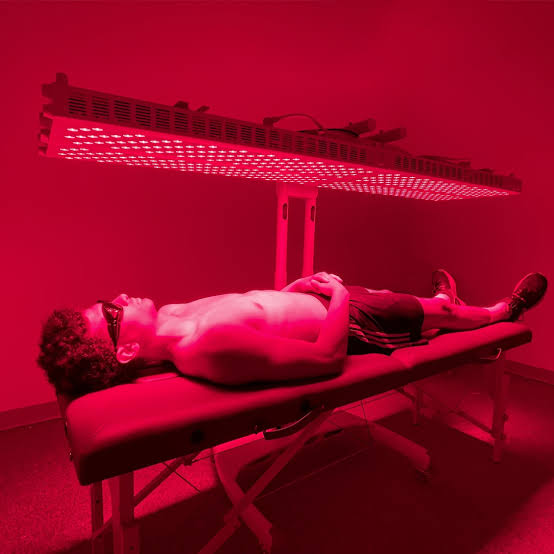
LED light therapy has become an increasingly popular approach to skincare, offering a non-invasive way to address several common skin concerns. From improving the appearance of fine lines to supporting acne management, this technology uses specific wavelengths of light to interact with the skin. Unlike treatments that rely on harsh chemicals or invasive procedures, LED light therapy is generally gentle and can be incorporated into professional skincare services and selected at-home routines.
As skincare technology continues to develop, more people are exploring treatments that combine convenience with science-based approaches to skin health. LED devices are now available in different designs, including facial masks, handheld units, and larger systems used in professional clinics. Understanding how these devices work, their potential benefits, and the precautions involved can help individuals make informed decisions about adding light therapy to their skincare routine.
One of the main advantages of LED light therapy is its versatility. Different wavelengths are associated with different skincare applications, allowing practitioners to select treatments according to a client’s concerns and the capabilities of the device. Red light is commonly used in treatments intended to support collagen-related processes and improve the appearance of fine lines. Blue light is often used for acne-prone skin because it can target certain acne-associated bacteria. Near-infrared light is used in some devices to support tissue-related processes and may be included in treatments focused on skin recovery.
Results can vary depending on the device, treatment protocol, skin condition, and consistency of use. LED therapy should not be viewed as an instant solution or a replacement for appropriate medical treatment. For skincare businesses, selecting professional-grade LED light therapy machine options can help practitioners explore equipment designed for professional environments and different treatment requirements. Reviewing device specifications, intended applications, and manufacturer guidance is important before introducing any new technology into a skincare practice.
LED light therapy works by exposing the skin to specific wavelengths of light. These wavelengths interact with biological processes in the skin, and their effects depend on factors such as wavelength, light intensity, exposure time, and treatment frequency. Unlike ultraviolet radiation, which can damage skin with excessive exposure, LED devices designed for skincare use selected non-UV wavelengths.
Red and near-infrared light have been studied for their potential effects on cellular activity and inflammatory processes, while blue light has applications in managing certain forms of acne. However, the evidence supporting individual outcomes varies, and not every device produces identical results. Professional assessment can help determine whether light therapy is appropriate for a particular skin concern. Following the recommended treatment duration and avoiding excessive exposure are essential parts of responsible use.
Selecting an appropriate LED light therapy device requires more than comparing appearance or price. Different systems offer different wavelengths, treatment areas, light outputs, and operating features. Some devices are designed for individual facial treatments, while others are intended for broader coverage or use in professional skincare settings. Understanding these differences helps buyers identify equipment that aligns with their intended applications.
Professional clinics should also consider ease of cleaning, treatment positioning, durability, staff training requirements, and manufacturer support. Clear documentation about operating procedures and recommended treatment protocols can make it easier to establish consistent practices. Before purchasing equipment, practitioners should review the manufacturer’s technical information and confirm that the device is suitable for the services they intend to provide. Appropriate eye protection and adherence to safety instructions are also important considerations.
Preparing the skin correctly can help make an LED treatment routine more consistent. In many protocols, the skin is cleansed before treatment to remove makeup, oil, and surface impurities. The device should then be used according to its instructions, including the recommended distance from the skin, session duration, and frequency. Treatments should not be extended beyond the manufacturer’s guidance in an attempt to achieve faster results.
After treatment, individuals can continue with a suitable skincare routine that supports their skin type. Gentle moisturizers and daily broad-spectrum sunscreen remain important parts of skin care, regardless of whether LED therapy is used. People with photosensitivity, certain eye conditions, or medications that increase sensitivity to light should consult a qualified healthcare professional before beginning treatment. Anyone experiencing unexpected irritation or discomfort should stop using the device and seek appropriate advice.
LED light therapy has become an option in many modern skincare environments because it can be incorporated into selected treatment plans without the recovery period associated with some invasive procedures. Depending on the equipment and clinical protocol, practitioners may use it as a standalone service or alongside other suitable skincare treatments. Its non-invasive nature can make it appealing to clients seeking alternatives to more intensive procedures, although the suitability of any treatment depends on individual needs.
Developments in device design continue to focus on treatment coverage, usability, wavelength selection, and integration into professional workflows. However, newer technology does not automatically guarantee better outcomes. Practitioners should evaluate available evidence, device safety information, and the quality of supporting documentation before adopting new equipment. Clear communication about realistic expectations is equally important for building trust and helping clients understand what a treatment can and cannot achieve.
LED light therapy offers an interesting approach to modern skincare by using selected wavelengths of light to address concerns such as acne and the visible signs of skin ageing. Its potential benefits, non-invasive application, and availability across different device formats have contributed to its growing popularity among skincare consumers and professionals.
Achieving suitable results requires choosing an appropriate device, following recommended treatment protocols, and understanding the limitations of the technology. Professional guidance can help identify suitable applications and reduce the risk of inappropriate use. By combining informed equipment selection with realistic expectations and consistent skincare practices, individuals and clinics can make better decisions about incorporating LED light therapy into their routines and services.