
 By Charles Weaver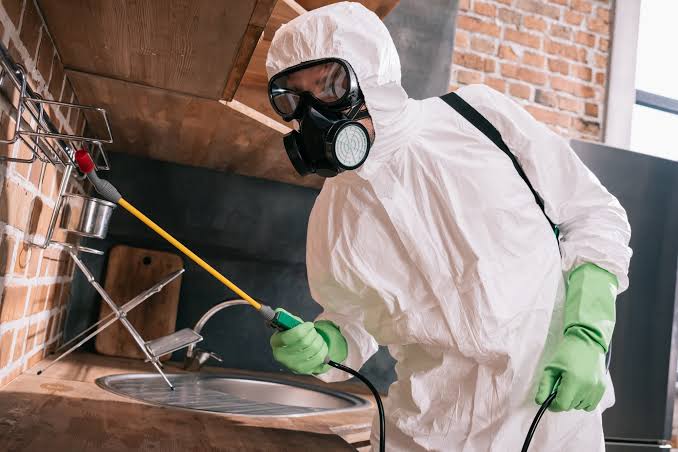
Pest control is an essential aspect of maintaining a healthy and safe living environment, whether in residential or commercial spaces. It involves the management and regulation of various pests, including insects, rodents, and other organisms that can pose threats to human health and property. As urbanization increases and environmental factors change, the prevalence of pests has risen, prompting the need for effective pest management strategies to prevent infestations and their associated risks.
This article delves into the importance of pest control, exploring various methodologies, from traditional techniques to modern ecological approaches. We will examine the implications of pest presence, the potential health risks they pose, and the latest innovations in pest management. With a better understanding of these aspects, individuals and communities can take proactive measures to safeguard their living spaces against unwanted invaders.
Health Risks Posed by Pests
Pests such as rodents and insects are not merely nuisances; they can serve as vectors for numerous diseases. Rodents can carry diseases like hantavirus and leptospirosis, while pests such as mosquitoes and ticks are notorious for transmitting illnesses like West Nile virus and Lyme disease. The presence of these pests increases the risk of allergic reactions, respiratory problems, and other health issues linked to infestations. By implementing effective pest control measures, including regular inspections and treatments, individuals can significantly reduce health risks and create safer environments for themselves and their families. For those looking for reliable solutions, Safe pest control offers comprehensive services tailored to meet specific pest management needs.
Innovations in Pest Management
As the field of pest control continues to evolve, innovative strategies are emerging that prioritize ecological balance and sustainability. Integrated Pest Management (IPM) combines biological, cultural, physical, and chemical tools in a way that minimizes risks to human health and the environment. This method emphasizes prevention and careful monitoring, allowing for targeted interventions only when necessary. Emerging technologies, such as biological pest control agents and smart traps, further enhance the effectiveness of pest management while reducing reliance on harmful chemicals. Adopting these modern approaches not only leads to healthier living spaces but also contributes to the sustainability of our ecosystems.
In conclusion, the importance of effective pest control cannot be overstated, as it plays a vital role in safeguarding public health, protecting property, and promoting environmental sustainability. By understanding the health risks posed by pests and embracing innovative management strategies such as Integrated Pest Management, individuals and communities can foster environments that are both safe and conducive to well-being. As urban landscapes continue to evolve, staying informed about pest trends and applying preventive measures will be key to combating infestations before they occur. Ultimately, a proactive approach to pest management not only enhances the quality of life for residents but also helps maintain the delicate balance of our ecosystems, ensuring a healthier future for all.