
 By Charles Weaver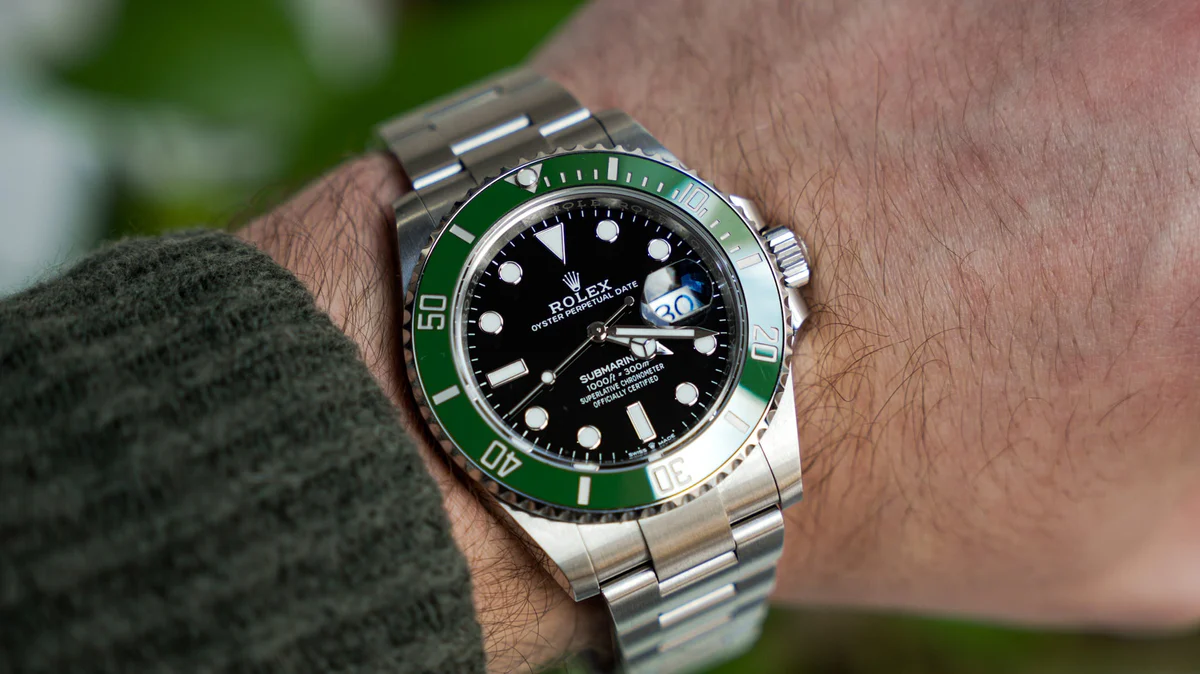
Clone watches, often referred to as replica or imitation timepieces, have become a significant topic of discussion in the world of horology and luxury goods. These meticulously crafted timepieces mimic the designs and aesthetics of high-end watch brands without the accompanying price tag. While some enthusiasts appreciate the artistry behind these clones, others debate the ethical implications and value of owning such copies. This article aims to explore the allure of clone watches, examining their craftsmanship, market trends, and the ongoing conversation surrounding authenticity in the luxury watch industry.
The rise of clone watches is driven by a combination of factors, including the desire for luxury without the exorbitant cost and the growing accessibility of high-quality replicas. With advances in technology and manufacturing processes, many clones can closely match the appearance and functionality of their original counterparts. However, the ownership of these watches raises questions about brand integrity and consumer responsibility. By delving into the world of clone watches, we seek to understand their impact on consumer behavior and the broader implications for the luxury watch market.
Craftsmanship and Market Trends
The craftsmanship behind clone watches can be surprisingly impressive, as many manufacturers invest significant effort in replicating the intricate details and mechanical functions of luxury brands. With sophisticated technology, these timepieces often feature high-quality materials that can make them visually indistinguishable from their authentic counterparts. As a result, the market for clone watches has expanded, attracting a diverse audience ranging from casual fashion enthusiasts to serious collectors looking for budget-friendly alternatives. For instance, the increasing popularity of the super clone rolex demonstrates how replicas can achieve a level of desirability that challenges traditional perceptions of value in luxury watches.
Ethical Implications and Consumer Responsibility
While clone watches provide an accessible way for individuals to enjoy luxury aesthetics, they also raise important ethical questions regarding brand integrity and the authenticity of ownership. The proliferation of high-quality replicas can erode the perceived value of original timepieces, ultimately impacting the luxury watch market. Consumers must grapple with the implications of purchasing clones, weighing their desire for aesthetic appeal against the ethical considerations of supporting imitation over originality. This ongoing debate reflects a broader shift in consumer behavior, as more people prioritize style and affordability over brand loyalty, prompting a reevaluation of what it means to own a luxury watch in today’s marketplace.
In conclusion, clone watches encapsulate the complex interplay between craftsmanship, consumer desire, and ethical considerations in the luxury watch industry. As the line between authentic and replica continues to blur, these timepieces not only cater to those seeking the allure of high-end design at a fraction of the cost but also provoke necessary conversations about authenticity and consumer responsibility. Ultimately, the success and proliferation of clone watches signal a shift in how we perceive value in luxury goods, challenging traditional notions of exclusivity and urging both consumers and manufacturers to navigate the evolving landscape with a critical eye. As interest in these replicas grows, it becomes increasingly vital for the industry to address the implications of this trend, fostering a more informed and conscientious dialogue about the essence of luxury in the modern age.