
 By Charles Weaver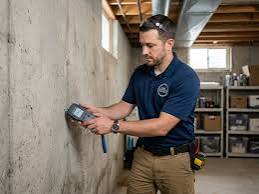
Mold is a common yet often overlooked issue in many homes and buildings, thriving in damp and poorly ventilated areas. Not only can mold cause structural damage, but it can also pose serious health risks to occupants, especially those with respiratory conditions or weakened immune systems. Understanding the importance of mold testing is crucial for homeowners and property managers who want to maintain a safe and healthy environment. This article delves into the significance of mold testing, the different methods available, and the benefits of detecting mold early.
Whether you’re dealing with a musty odor, recent water damage, or simply want to take proactive measures, mold testing can provide peace of mind and clarity. By identifying mold types and levels, you can make informed decisions about remediation and prevent further contamination. Join us as we explore the essentials of mold testing, including when to test, what to expect during the process, and how to interpret the results effectively.
Methods of Mold Testing
There are several methods of mold testing, each with its unique advantages. Air sampling is one of the most common techniques, where air in a given space is analyzed to determine the presence and concentration of mold spores. Surface sampling, which involves swabbing surfaces to detect mold growth, provides localized insights into contamination. Additionally, bulk sampling, where materials suspected of harboring mold are physically collected for analysis, can yield concrete evidence of mold infestations. Engaging a professional service for mold testing Los Angeles can help ensure accurate results and a thorough understanding of the mold type and severity present in your property.
Benefits of Early Detection
Early detection of mold is critical in preventing extensive damage and health risks. Mold can proliferate quickly, especially in areas with moisture, leading to increased remediation costs if left unchecked. By conducting regular mold testing, homeowners can identify potential problems early on, allowing for timely intervention. This proactive approach not only safeguards the structural integrity of the building but also ensures the well-being of its occupants. Understanding the specific types of mold present can also inform targeted treatment plans, making it easier to remediate effectively and maintain a healthy living environment.
In conclusion, mold testing is an essential practice that should not be neglected by homeowners and property managers alike. The implications of mold presence extend beyond mere aesthetics, impacting both health and structural integrity. By employing effective testing methods and addressing mold issues promptly, you can protect your property and ensure a safe environment for all occupants. Ultimately, prioritizing mold testing fosters peace of mind and promotes long-term health, making it a wise investment for anyone looking to uphold a clean and comfortable living or working space.