
 By Charles Weaver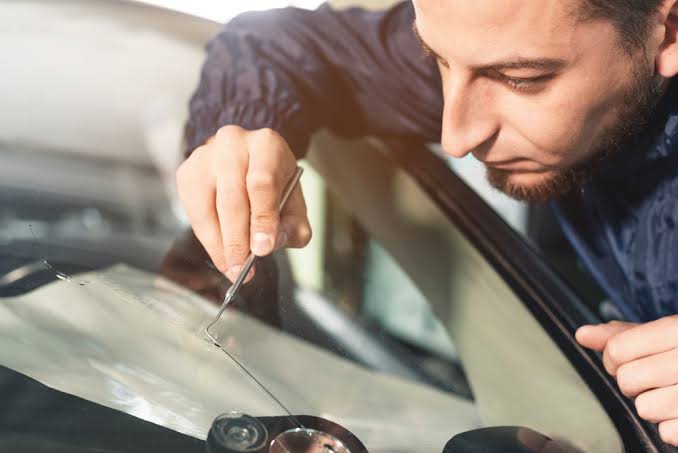
Auto glass plays a crucial role in the safety, performance, and aesthetics of modern vehicles, serving as a barrier against the elements while providing visibility and structural integrity. From the windshield that shields drivers from wind and debris to side and rear windows that enhance both security and style, the importance of quality auto glass cannot be overstated. As vehicles evolve with advanced technologies and designs, the materials and manufacturing processes used in auto glass have also progressed, ensuring a blend of durability, clarity, and safety for drivers and passengers alike.
In this article, we will explore the various aspects of auto glass, including its types, common issues, and the importance of professional installation and repair services. We will also discuss the latest innovations in auto glass technology, such as laminated glass and smart glass solutions, which are poised to revolutionize the way we think about vehicle safety and functionality. Whether you’re a car enthusiast or just someone looking to maintain their vehicle, understanding the critical role of auto glass is essential for ensuring a safe and enjoyable driving experience.
Types of Auto Glass
Auto glass is typically categorized into two primary types: laminated and tempered glass. Laminated glass, commonly used in windshields, consists of two layers of glass with a polymer interlayer, enhancing safety by preventing shattering upon impact and reducing the risk of ejection during accidents. Tempered glass, often used for side and rear windows, is heat-treated to increase its strength and, in the event of breakage, shatters into small, less harmful pieces. Understanding the differences between these types can help vehicle owners make informed decisions when it comes to repairs or replacements. For those looking for reliable services, Dixie Auto Glass Automobile Repairing and Service offers a range of options tailored to meet diverse automotive needs.
Common Issues and Repair Needs
Over time, auto glass can be subjected to various forms of damage, including chips, cracks, and scratches, which can compromise both safety and visibility. Environmental factors such as extreme temperatures, road debris, and minor collisions contribute to the deterioration of glass integrity. Prompt attention to these issues can prevent further damage; small chips can often be repaired without the need for a full replacement. However, if the damage spans across critical areas or is extensive, replacing the glass may be the safest option. Regular inspections and professional assessments ensure that auto glass remains in optimal condition, allowing for a safe driving experience.
In conclusion, the importance of auto glass in ensuring vehicle safety and performance cannot be understated. With advancements in technology and materials, understanding the differences between laminated and tempered glass enables vehicle owners to make well-informed decisions regarding maintenance and repair. Recognizing common issues like chips and cracks, and addressing them promptly, is key to preserving both the functionality and aesthetics of a vehicle. Ultimately, prioritizing quality auto glass and professional service not only enhances driving safety but also contributes to a greater sense of security and enjoyment on the road. As we continue to witness innovations in auto glass, staying informed about its crucial role will help drivers navigate the evolving landscape of automotive technology with confidence.